How to Use Tooth Oil: Step-by-Step Guide for Beginners
May 22, 2026
Author: Ray Spotts
Tags:
Most people discover tooth oil through the tradition of oil pulling or a desire for a fluoride-free routine. However, the effectiveness of the product depends heavily on application. Learning how to use tooth oil correctly ensures that the botanical lipids can penetrate the biofilm along the gumline and neutralize harmful bacteria like Streptococcus mutans.
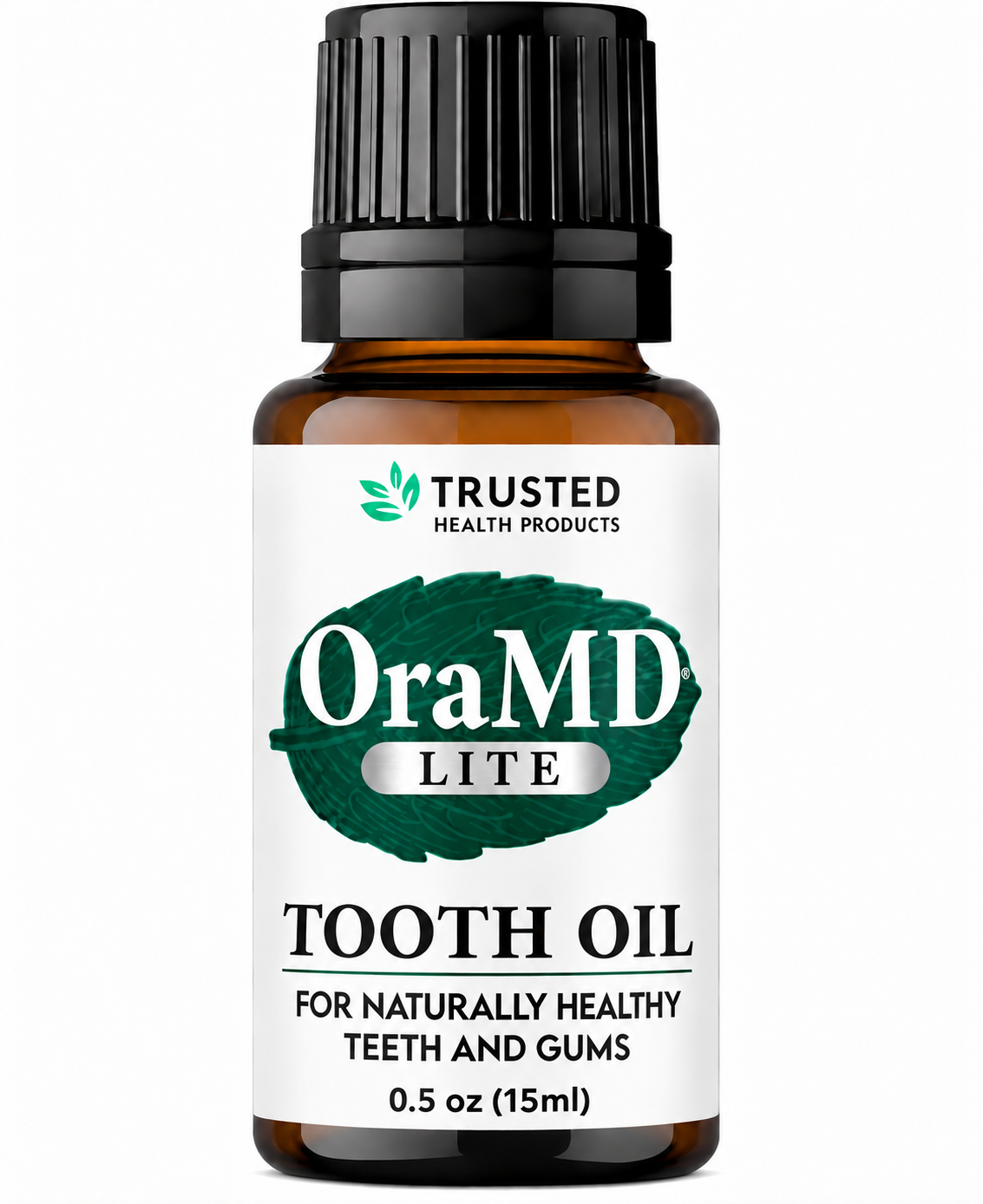
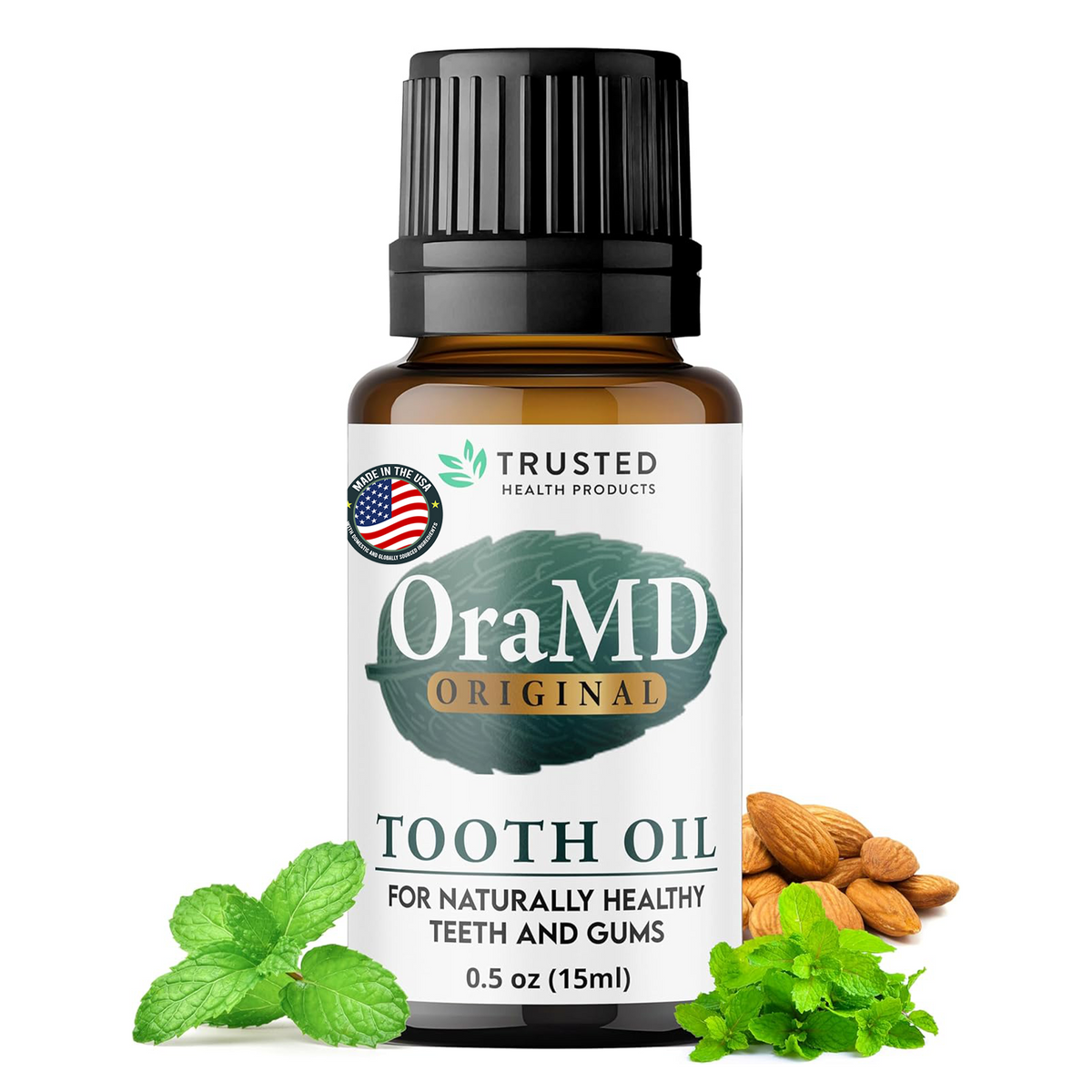
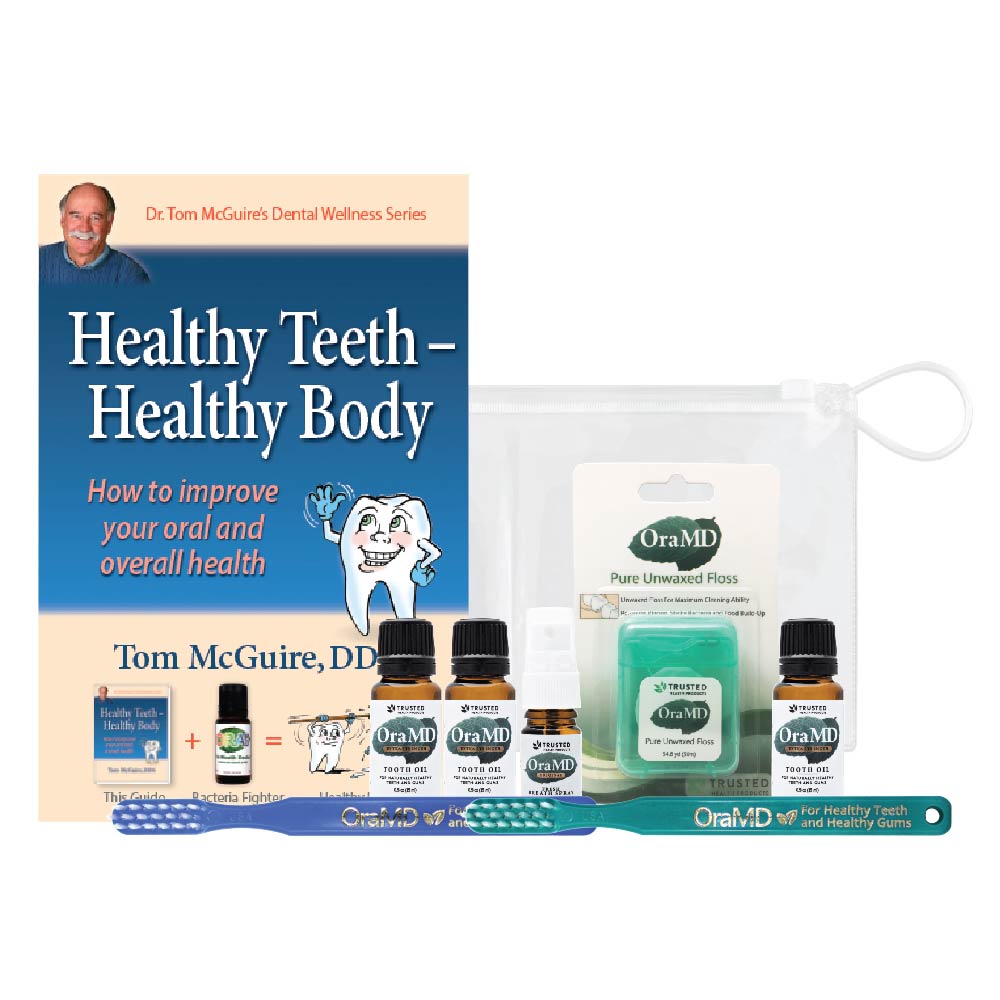
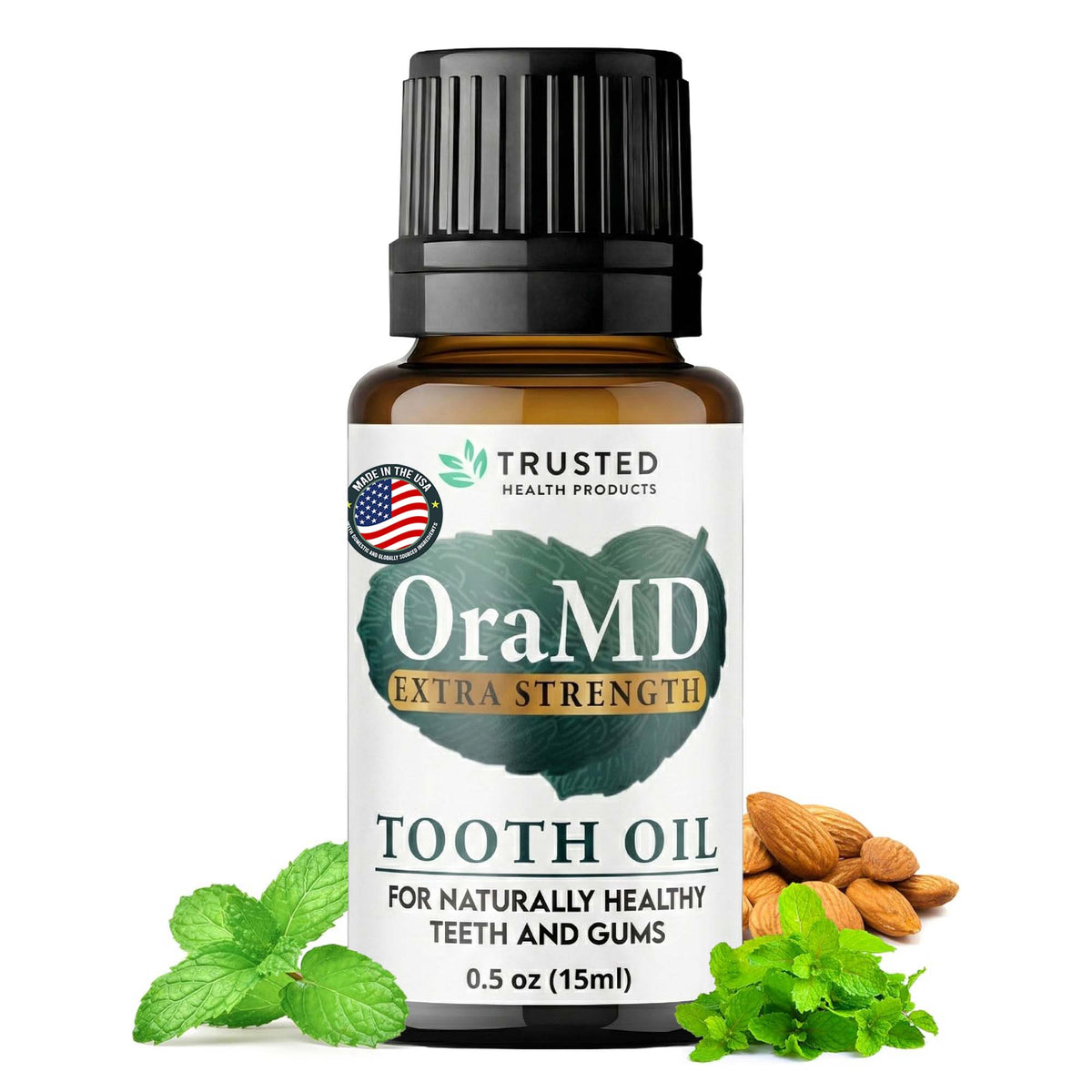
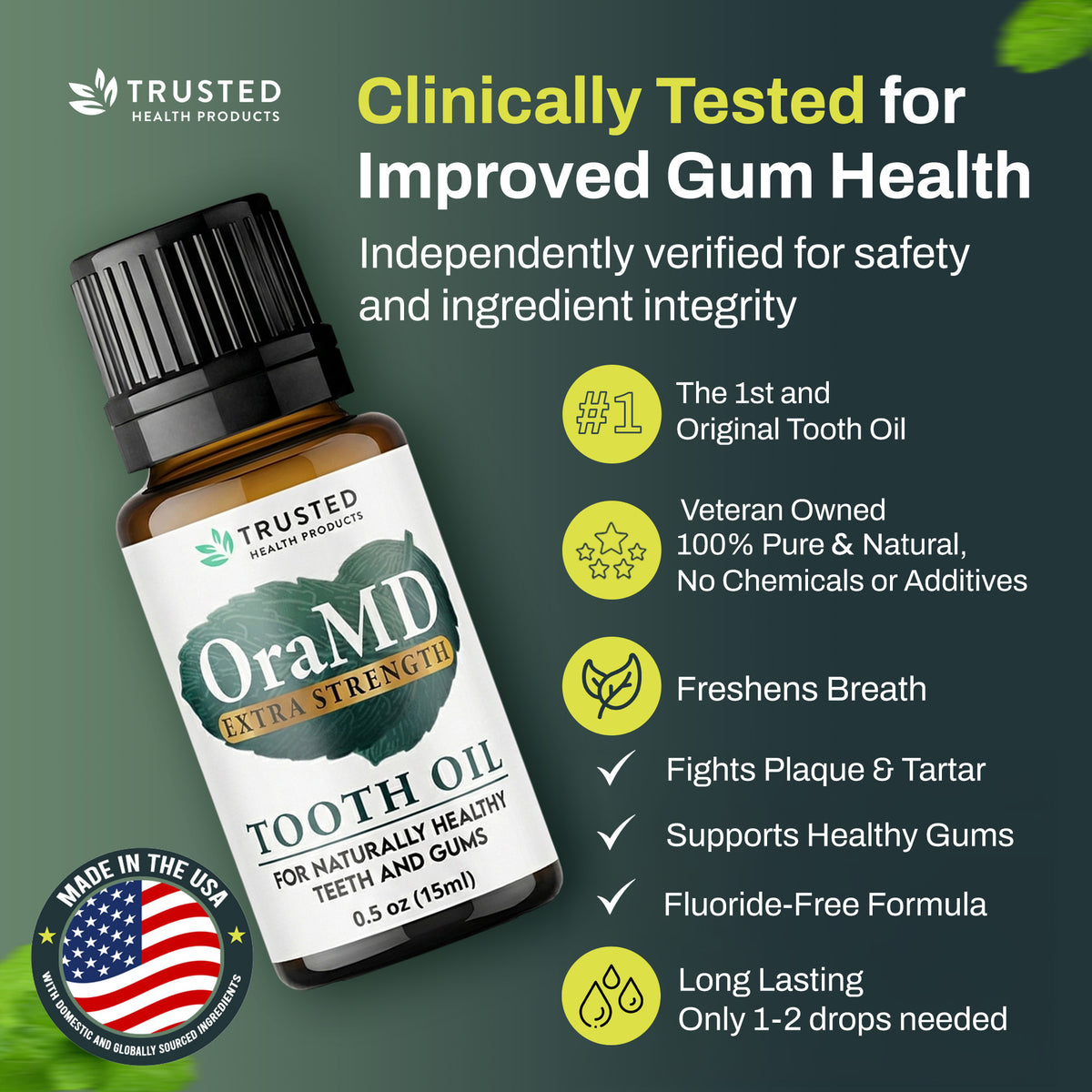
Whether you are using a daily maintenance formula like OraMD Original Strength or a more potent version like OraMD Extra Strength, following a consistent protocol is the key to seeing results.
Why Tooth Oil Works Differently Than Paste
Traditional toothpaste uses abrasives (like silica) and detergents (like SLS) to scrub the surface of the teeth. Tooth oil cleans through lipophilic action. Because bacteria and plaque are often encased in a fatty membrane, the oil "pulls" these pathogens out of the hard-to-reach crevices between teeth and under the gums where a brush often cannot reach.
This process supports a balanced oral microbiome without the irritation or dryness associated with alcohol-based mouthwashes or synthetic foaming agents.
Step-by-Step: How to Use Tooth Oil Effectively
For the best results, perform this routine first thing in the morning on an empty stomach, as this is when the bacterial load in the mouth is highest.
Step 1: Measure Your Oil
Start with approximately one teaspoon (5ml) of tooth oil. Using too much can lead to jaw fatigue, while too little may not provide enough coverage.
-
OraMD Original Strength: Ideal for daily maintenance and beginners.
-
OraMD Extra Strength: Formulated for those managing active gum sensitivity or heavy plaque buildup.
Step 2: Placement
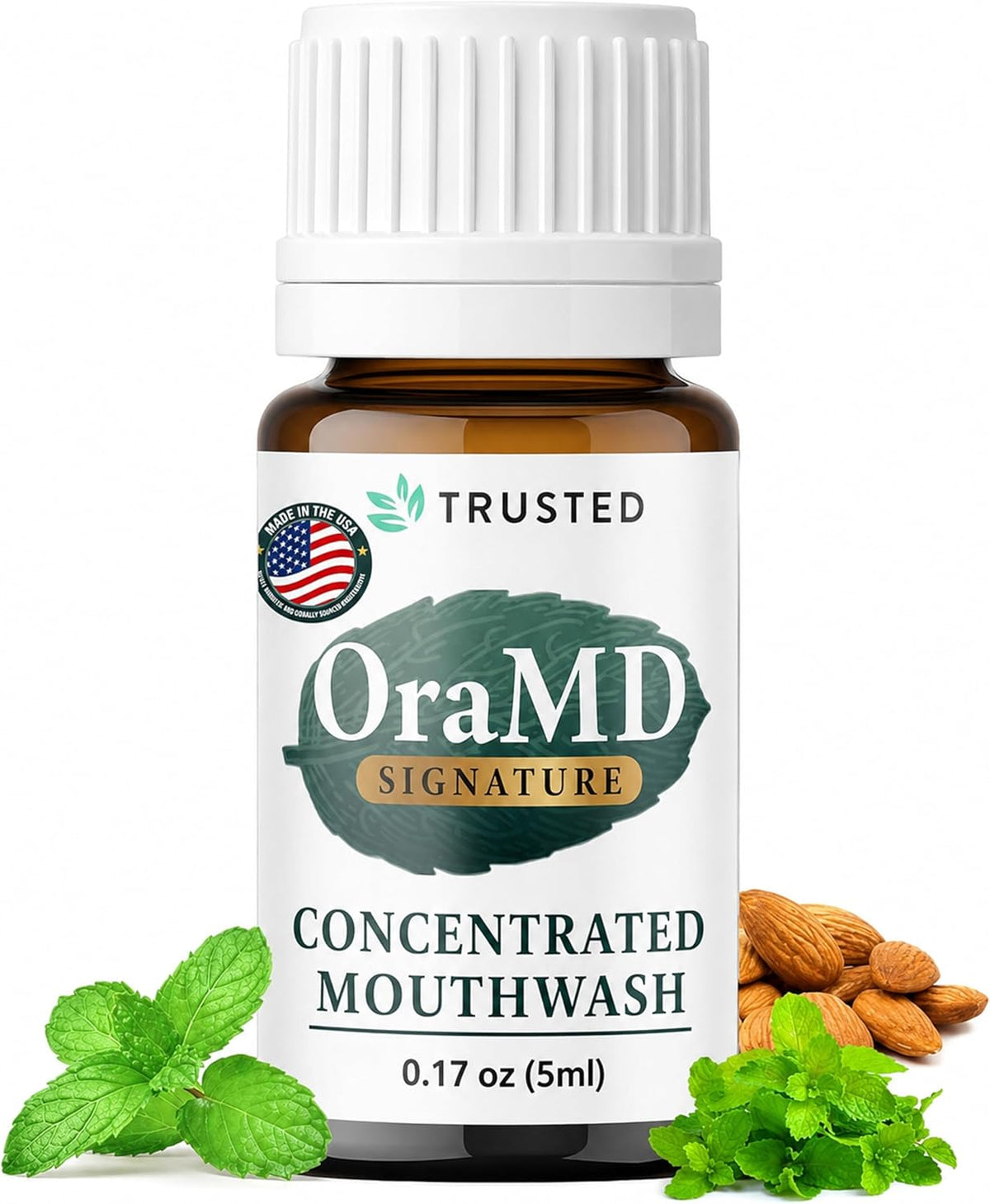
Place the oil directly on your tongue or onto a dry toothbrush. If you are using a concentrated dental serum, you may only need 2–5 drops applied directly to the bristles or the tongue.
Step 3: The Swishing Phase (2–5 Minutes)
Push and pull the oil through your teeth and along your gums. Do not gargle; the goal is to move the oil into the interproximal spaces. Beginners should start with 2 minutes and gradually build up to 10–15 minutes as they become accustomed to the sensation.
Step 4: The "No-Sink" Rule
When finished, the oil will be milky and full of the bacteria it has "pulled" from your mouth. Spit the oil into a trash bin. Do not spit into the sink, as natural oils (especially coconut-based ones) can solidify and clog your plumbing. Never swallow the oil, as it is now concentrated with oral toxins.
Step 5: Rinse and Brush
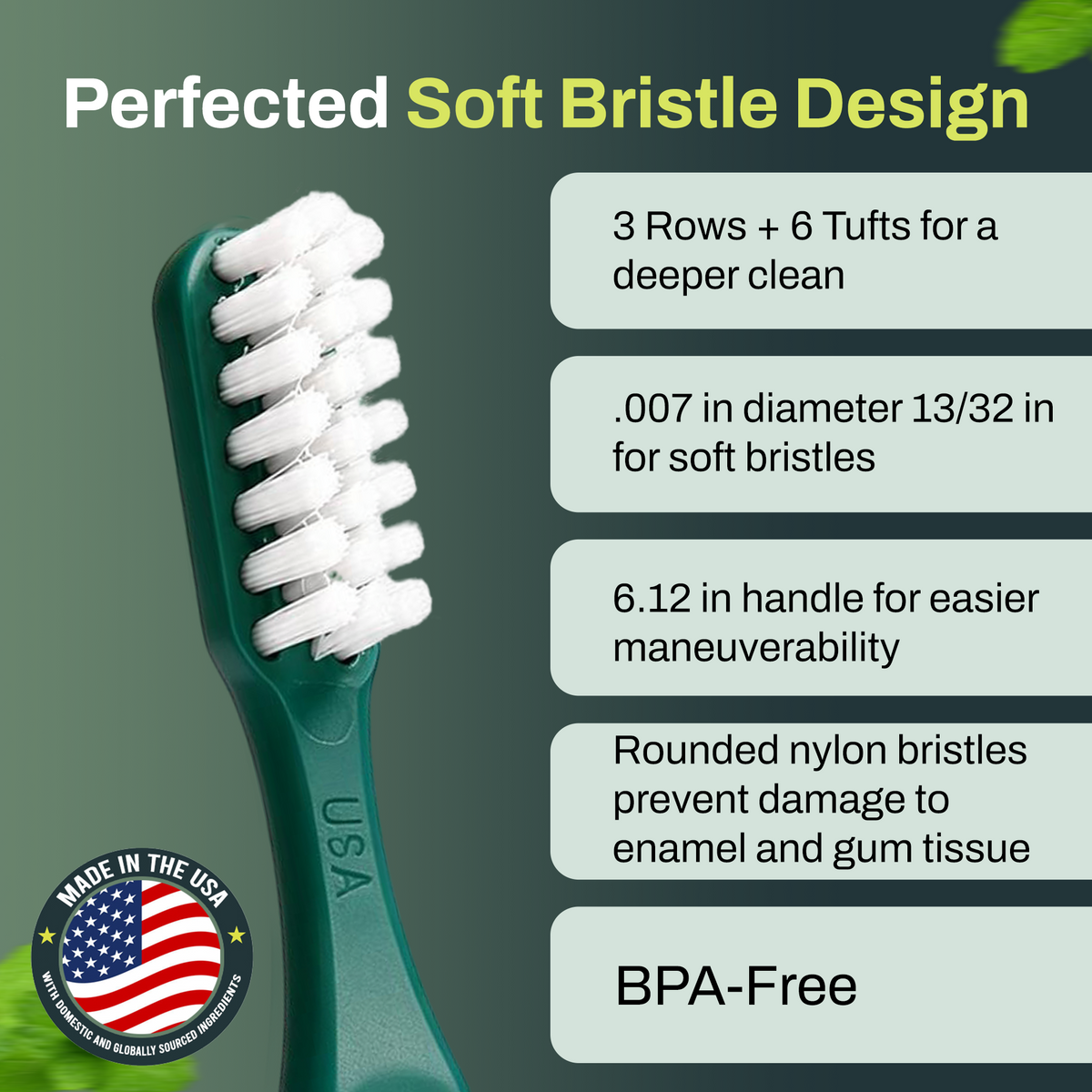
Rinse your mouth with warm water to remove any remaining residue. Follow this by brushing with a soft-bristled brush and an oil-based paste or a few drops of your dental serum to polish the teeth.
How Tooth Oil Compares to Traditional Oil Pulling
Understanding how to use tooth oil also means recognizing its evolution from classic Ayurvedic practices.
|
Feature |
Tooth Oil (e.g., OraMD) |
|
|
Duration |
10–20 Minutes |
2–5 Minutes |
|
Ingredients |
Plain Sesame or Coconut Oil |
Concentrated Clove, Neem, Peppermint |
|
Convenience |
Requires significant time |
Brushing-friendly & fast |
|
Target |
General Detox |
Plaque & Gum Support |
What Most Articles Miss About Tooth Oil Use
Many guides treat tooth oil as a simple mouthwash substitute, but its function is more structural.
-
The "Protective Film": Unlike SLS-based pastes that leave the mouth dry, tooth oil leaves a thin, protective lipid film on the enamel. This film makes it harder for new plaque to adhere to the teeth throughout the day.
-
Temperature Matters: High-quality tooth oils containing coconut oil may solidify in cooler temperatures. If this happens, simply run the bottle under warm water for a few seconds to return it to a liquid state.
-
Tongue Scraping Synergy: For maximum results, use a tongue scraper before you use your tooth oil. This removes the bulk of the bacteria from the tongue, allowing the oil to focus entirely on the teeth and gums.
What to Expect: A Timeline of Results
When you learn how to use tooth oil and stick to a daily routine, you can generally expect the following progression:
-
Days 1–3: Noticeably fresher breath and a smoother "feeling" on the teeth.
-
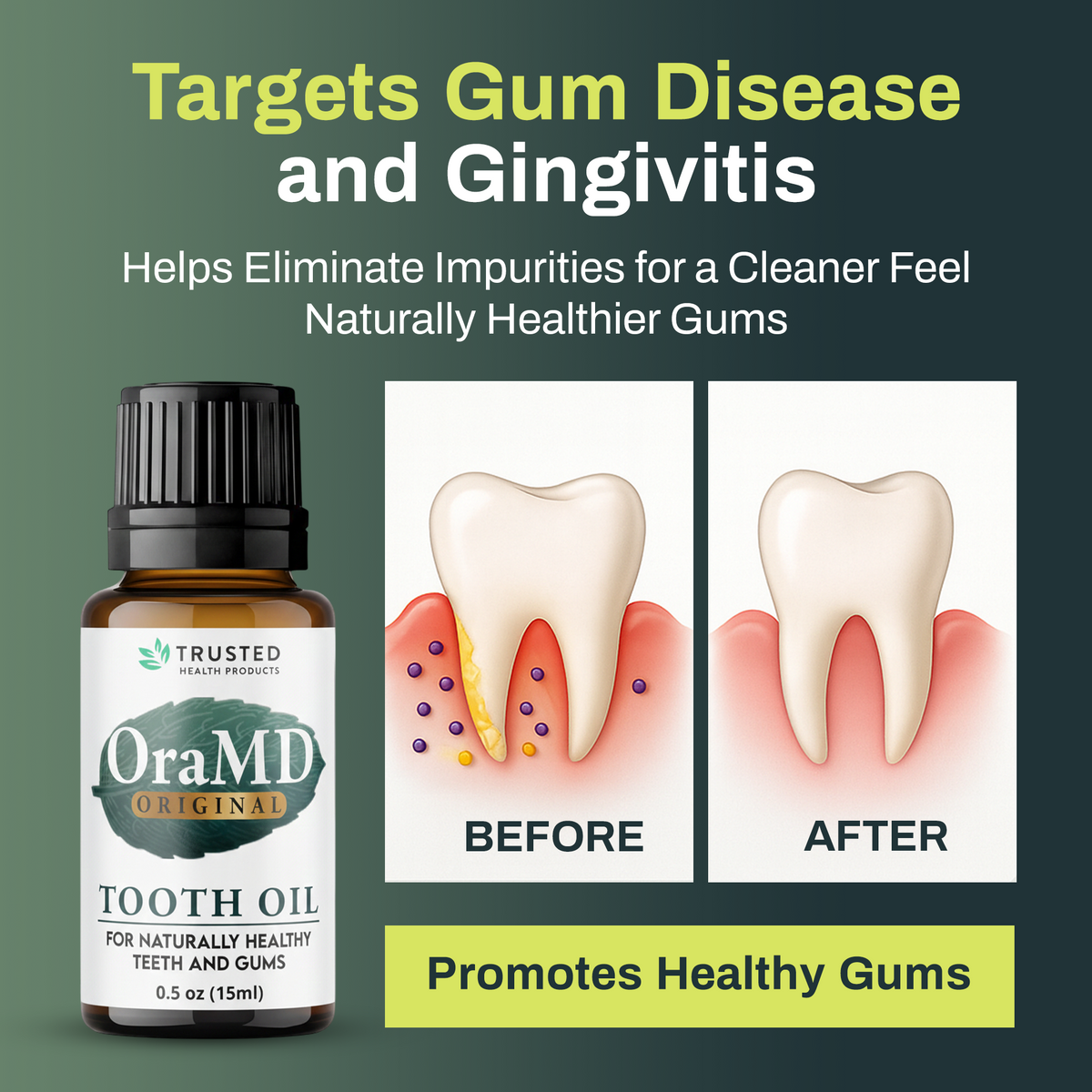
Weeks 2–3: Reduced gum redness and improved texture.
-
Month 1+: A gradual brightening of the teeth as surface stains are gently polished away without harsh abrasives.
Choosing the Right Strength for Your Needs
The effectiveness of your routine is also tied to using the correct concentration for your current oral health.
-
For Daily Health: OraMD Original Strength Tooth Oil is the gold standard for daily maintenance. It provides a balanced botanical profile that supports long-term microbiome health.
-
For Targeted Support: If you are dealing with persistent bad breath, gum pockets, or heightened sensitivity, OraMD Extra Strength Tooth Oil provides a more potent antimicrobial punch to accelerate the healing process.
Conclusion
Mastering how to use tooth oil is one of the most impactful changes you can make for your oral health. By shifting from a "scrub and foam" approach to a "pull and nourish" method, you support your gums and enamel using the same botanical principles found in the rest of your natural wellness routine.
Start with a few minutes each morning, remember to spit in the trash, and choose the OraMD strength that matches your goals. For a complete head-to-toe natural routine, consider pairing your oral care with our Natural Skincare Routine Guide or Earth & Elm Body Oil.