Tuesday, October 26th, 2010
Between 1999 and 2004, the National Health and Nutrition Examination Survey researched results of over 9,000 adults age 20 and over. One of the criteria reviewed was consumption of
omega-3 fatty acids. In this case, consumption was measured not regarding supplementation but rather by asking what the participants had eaten within the previous 24 hours. This helped to determine a difference from naturally occurring omega-3 versus those found through supplements. After reviewing the dental records and exams for participants, they found that those in the top half of omega-3 consumption had significantly fewer cases of gum disease. In fact, those in the top third were 30% less likely to have gum disease than those with in the bottom third.
Dr. Kenneth Mukami, an associate professor of medicine at Harvard Medical School said "There are a lot of benefits of omega-3 fatty acids. We have good evidence they prevent sudden death caused by heart rhythm disturbances. We have some evidence omega-3 fatty acids can reduce the risk of heart attacks and stroke. This is a great example of another potential benefit."
The researchers were unable to determine a recommended amount of fish oil to be consumed daily, as this study was in relation only to a single day’s diet. The American Heart Association recommends eating fatty fish at least twice a week for overall health, which we now know includes prevention of gum disease.
Tags: fish oil, gum disease, omega 3
Posted in Natural Health News | No Comments »
Friday, August 6th, 2010

Nail biting
Nearly 30% of young adults bite their nails, and there are reasons beyond ugly hands for breaking this bad habit. Biting your nails can interfere with normal nail growth and damage your tooth enamel. Not only that, but there are plenty of harmful bacteria that live underneath your fingernails, which you certainly don’t want to bite into. Keep your nails trimmed short and there will be less to chew on, and less space for bacteria to live as well. If that doesn’t work, the same products used to stop thumb sucking in children will make your finger nails taste just as terrible.
Losing sleep
Your body depends on sleep not only to recharge energy, but to recharge your immune system. Hormone levels, appetite, and mood are also affected by the amount of sleep you get. Needless to say, there are serious consequences to sleep deprivation, not to mention the effects it can have on your appearance (wrinkles, dark circles, etc.). Treat your sleep like a serious diet to make sure you get enough of it. Keep track of things like caffeine intake and time spent in front of a TV or computer monitor to find out what might be causing your lack of sleep.
Fear of Flossing
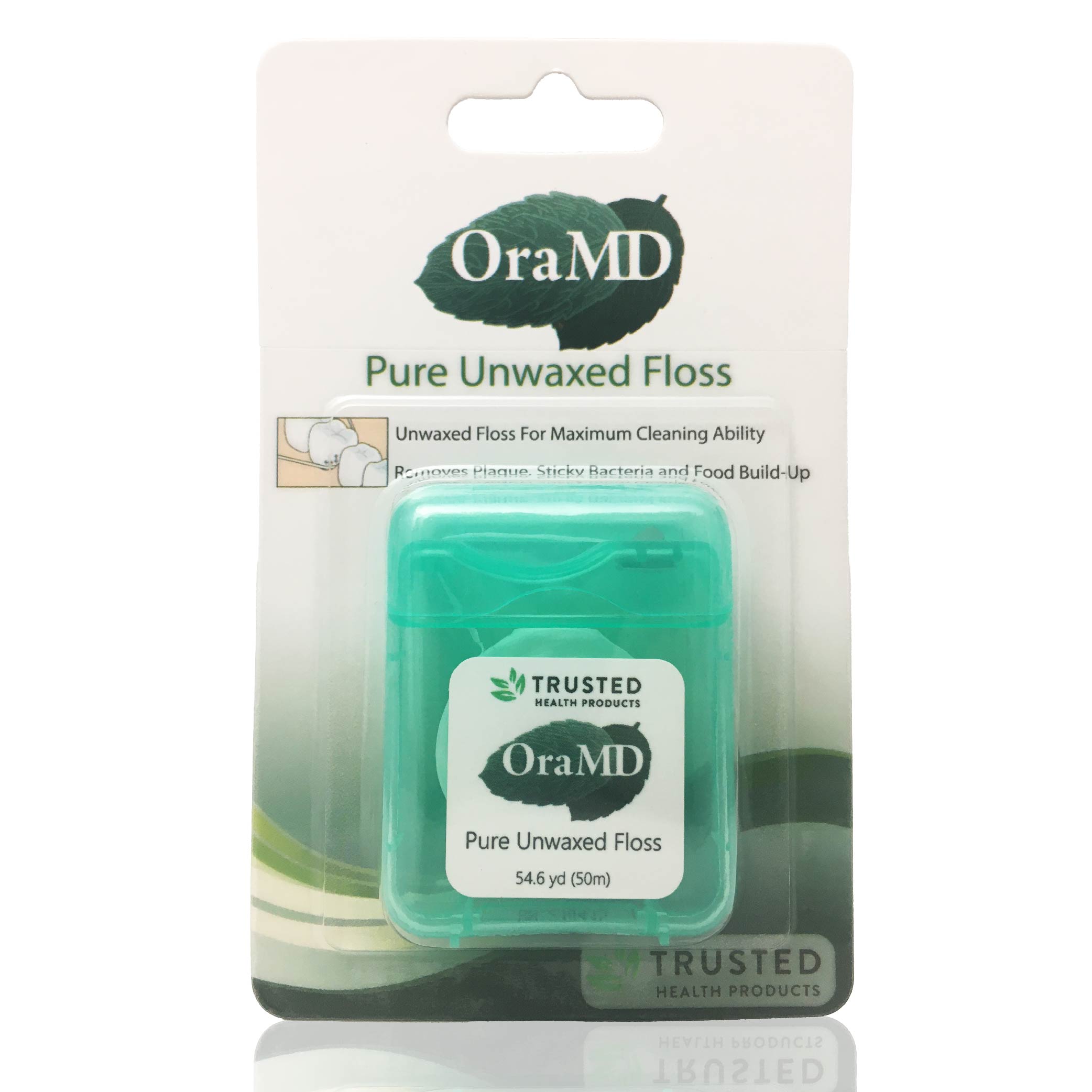
Most dentists will tell you that a majority of their patients don’t floss regularly. They’ll also tell you that gum disease is the most preventable disease there is when you practice good oral hygiene, including flossing. Know what else they’ll tell you? That more and more research points to the link between gum disease and more serious concerns like heart disease, stroke, and cancer. See where this is going?
Midnight snacking
The idea of late night eating isn’t so bad itself, it’s the fact that you’re probably not eating the healthiest snacks by the light of the fridge. Combine this with the fact that stomach acids have much easier access to the esophagus when you lay down while you’re still digesting that slice of cold pizza. Try to go to bed earlier and limit the time between dinner and when you might snack, or snack earlier and healthier.
Tags: acid reflux, appetite, bacteria, bad habit, caffeine, cancer, dental floss, eating late, fingernails, flossing, gum disease, habit, heart disease, heartburn, hormone levels, loss of sleep, mood, nail biting, oral hygiene, sleep, sleep deprivation, sleep disorder, snacking, stomach acid, stroke
Posted in News Letters | Comments Off
Thursday, January 21st, 2010

Manage stress
If stress isn’t properly controlled or managed, it can lead to further physiological damage like high blood pressure. This, in turn, will greatly exacerbate your chances of heart attack or stroke. Try starting with simple relaxation techniques like controlled breathing and meditation. Focus on each breath entering and exiting your lungs, and imagine your stress leaving you every time you exhale.
Exercise
It’s becoming ever more obvious that most of us aren’t getting the proper amount of exercise, especially this time of year. With the busy schedules that most of us carry, it doesn’t often allow for that extra hour to hit the gym. Studies have shown that even moderate amounts of aerobic, physical activity can help reduce the risk of heart disease. Try incorporating things into your regular day that can help, like taking the stairs for example.
Quit smoking
Studies show that smokers have more than double the risk of heart disease than non smokers. It’s easier said than done, but if you smoke, quit. There are many aids available to help you along the way, and while they still contain nicotine, they are much safer than the alternative. These range from patches and gums, to prescription medications, and even newer ideas like electronic cigarettes.
Oral health
It’s estimated that 35% of American adults suffer from some form of gum disease or periodontal disease. You might think it an uncommon link, but recent studies have shown otherwise. One theory is that damaged tissues in the mouth like gum pockets (areas where the gums have pulled away from the teeth) can allow harmful bacteria to enter the blood stream where they can begin to form plaque in the arteries.
Tags: exercise, gum disease, heart disease, oral health, quit smoking, stop smoking, stress
Posted in Natural Health News, News Letters | No Comments »
Thursday, October 15th, 2009

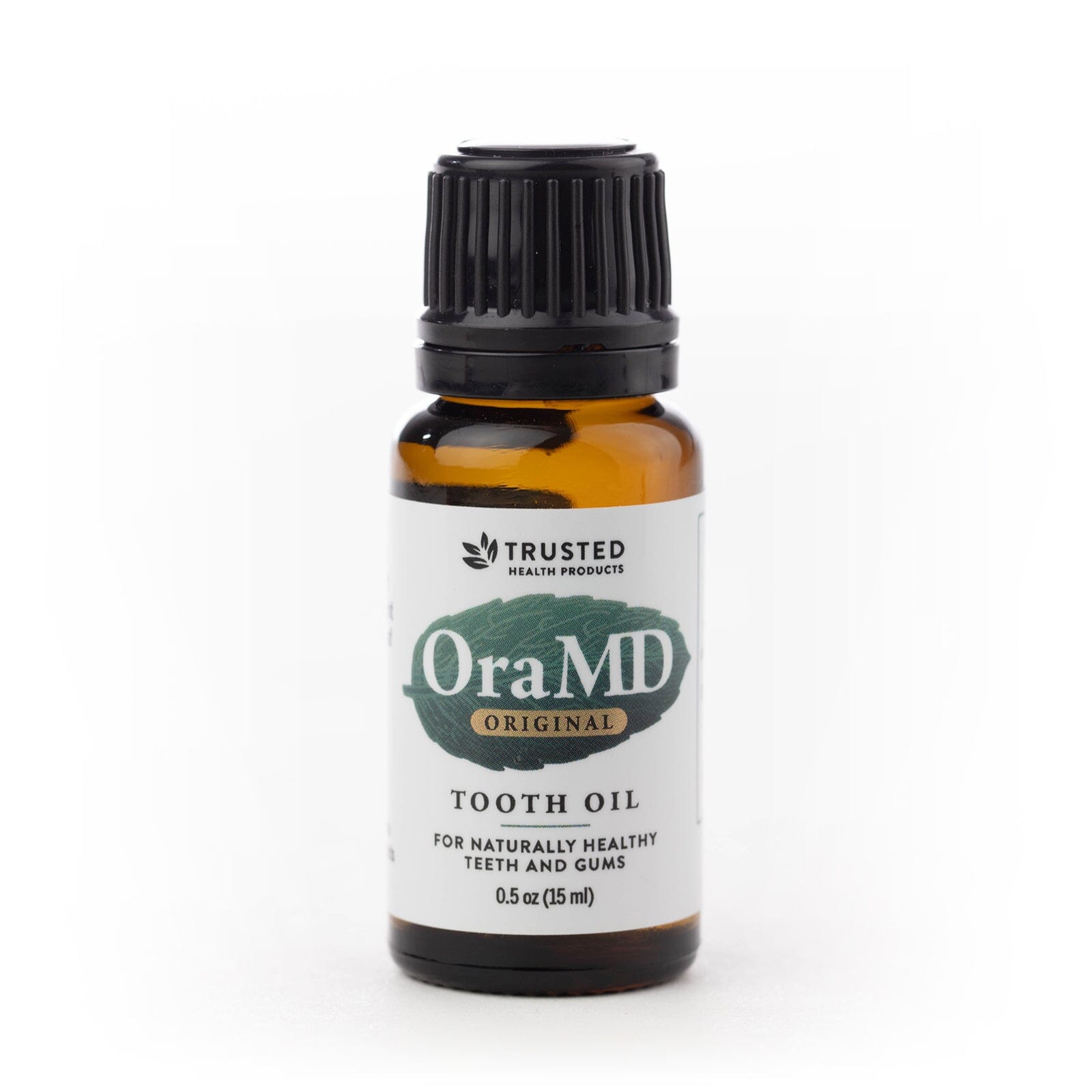
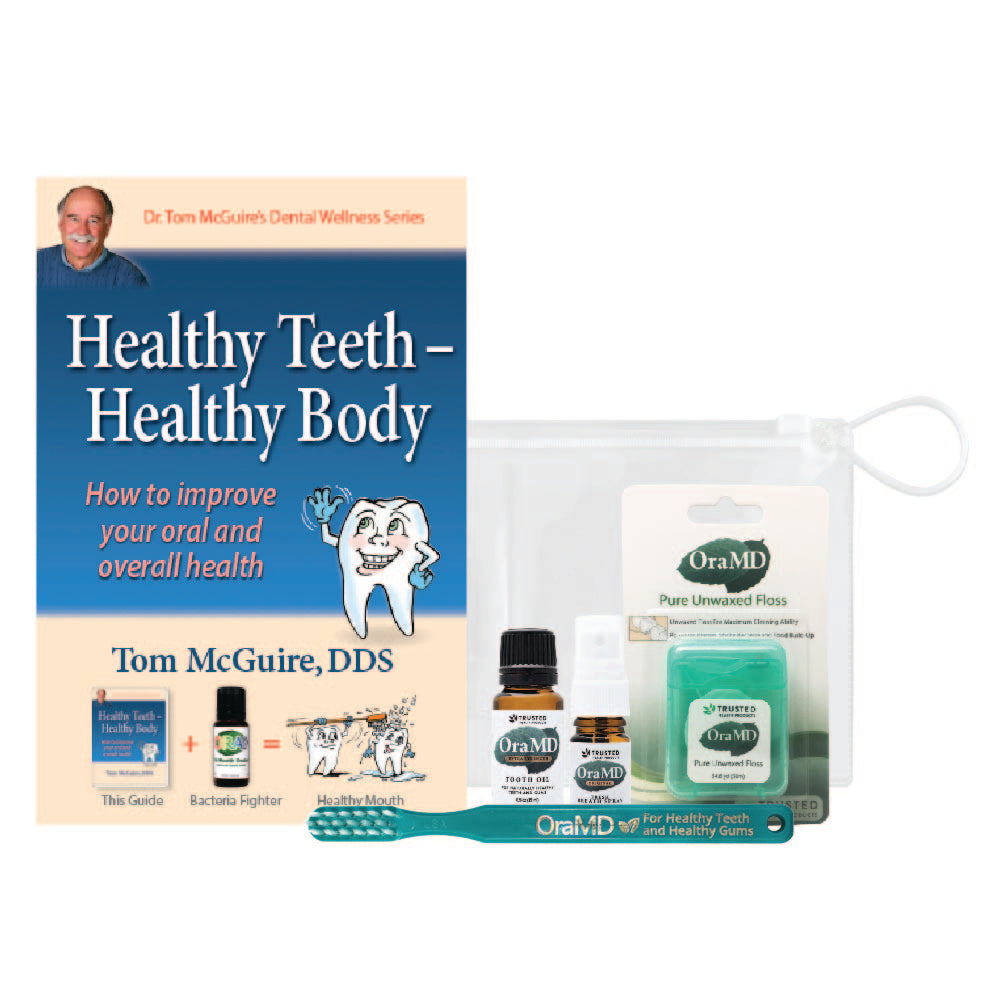
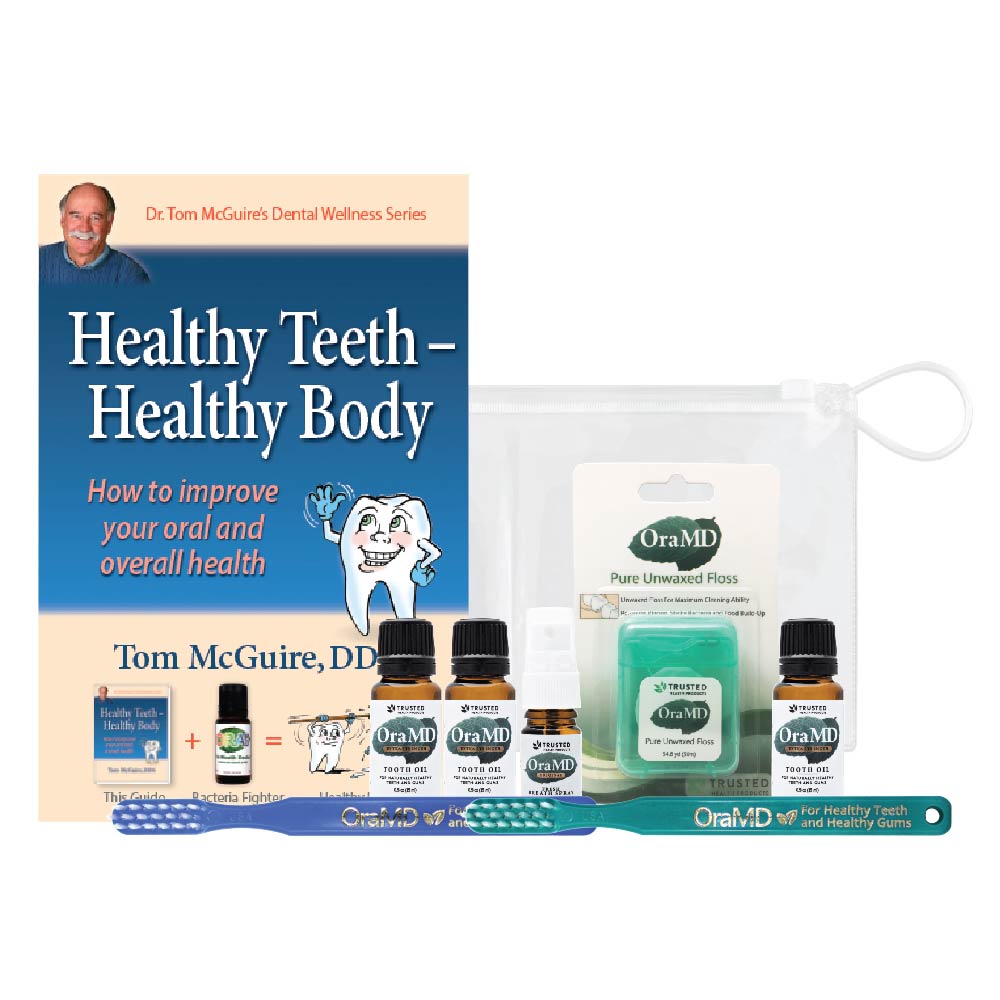
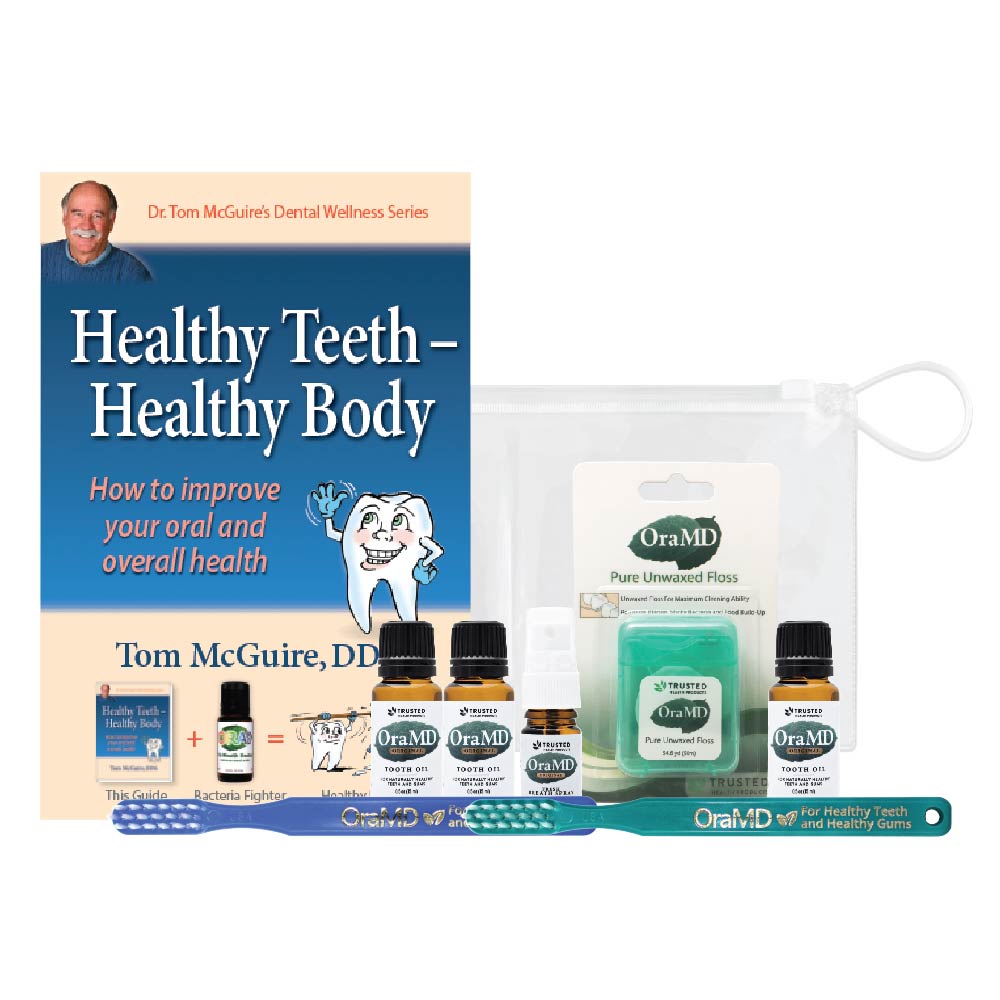
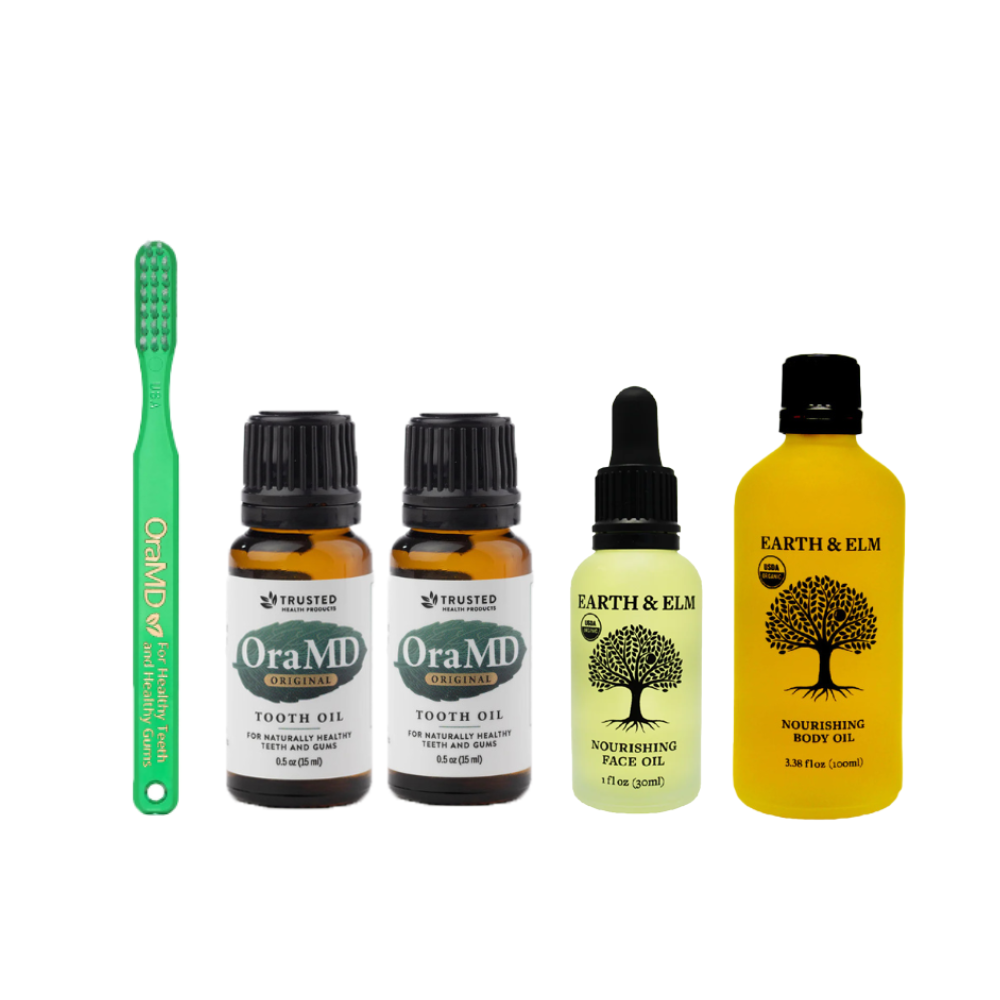
October is National Dental Hygiene Month, and we at THP would like to take a few moments to remind or inform you of how to keep your mouth in mint condition with good oral hygeine and OraMD.

It's estimated that 75% of Americans have some form of periodontal disease, and unhealthy conditions in the mouth like that can often be attributed to poor oral hygiene. These same conditions can also generally be corrected, or prevented in the first place by adopting good oral hygiene practices. This includes brushing, flossing, gargling, and in cases of bad breath or halitosis, many turn to mints or gum to mask odor. However, many of the over-the-counter products that are advertised to help improve these conditions actually contain ingredients that contribute to poor oral health.
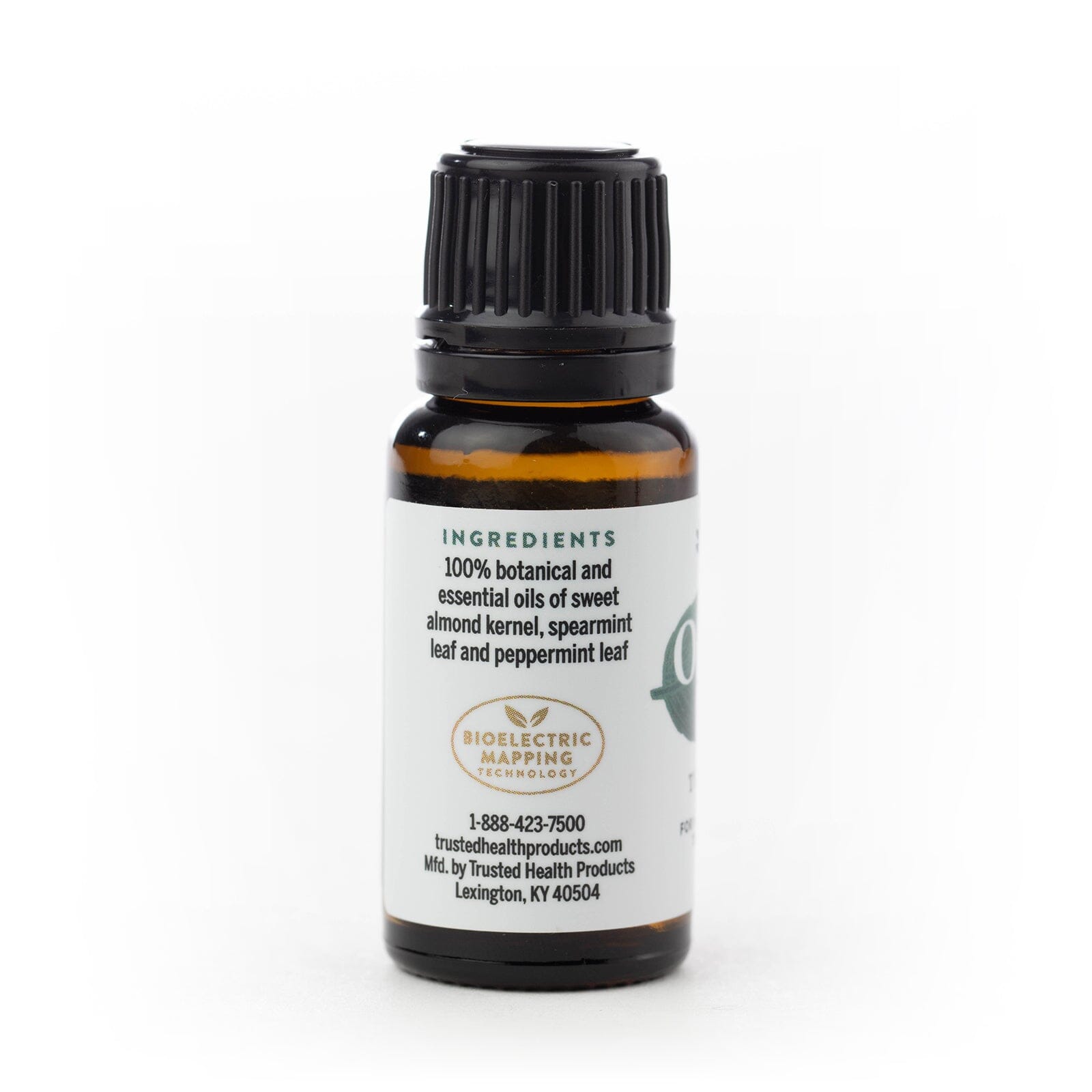
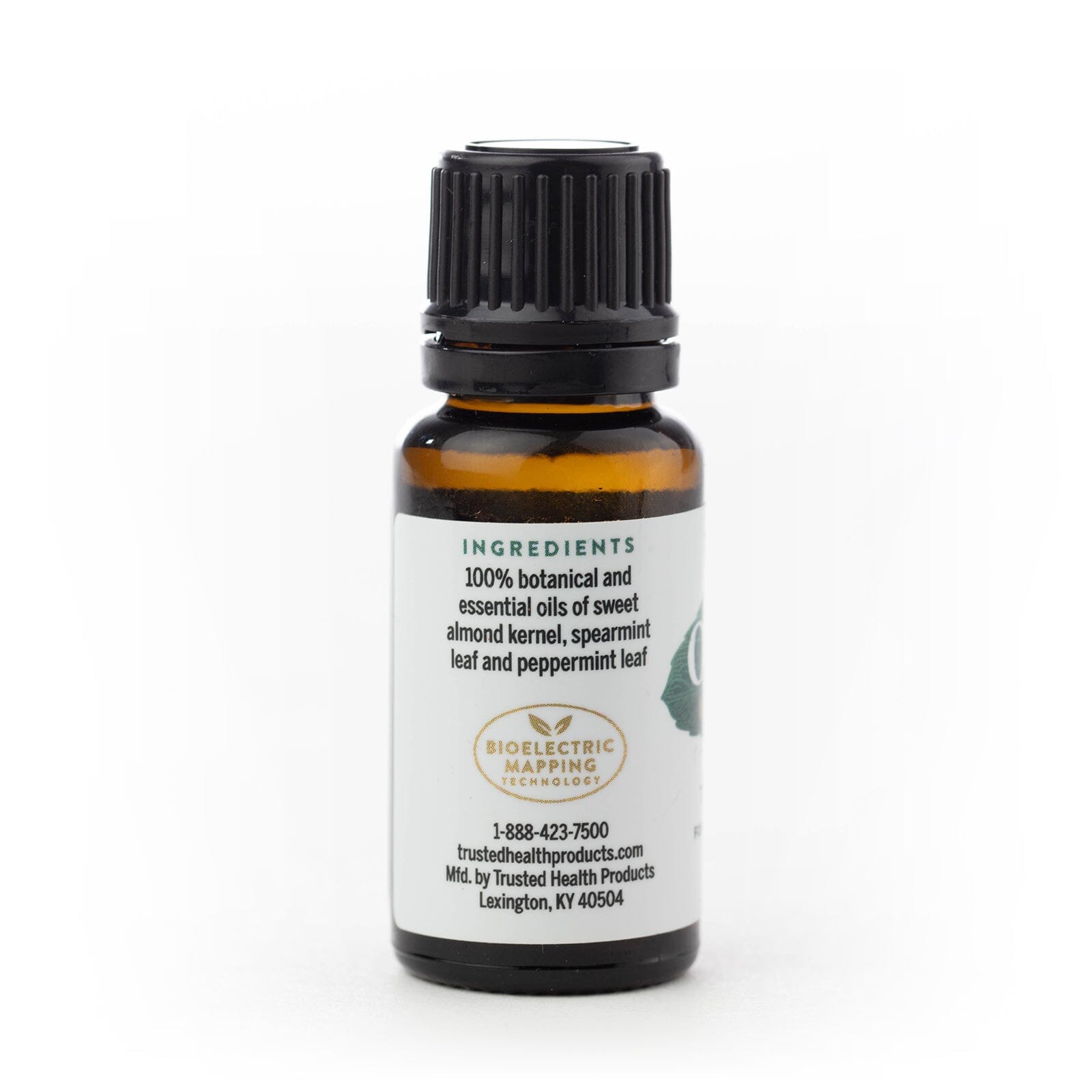
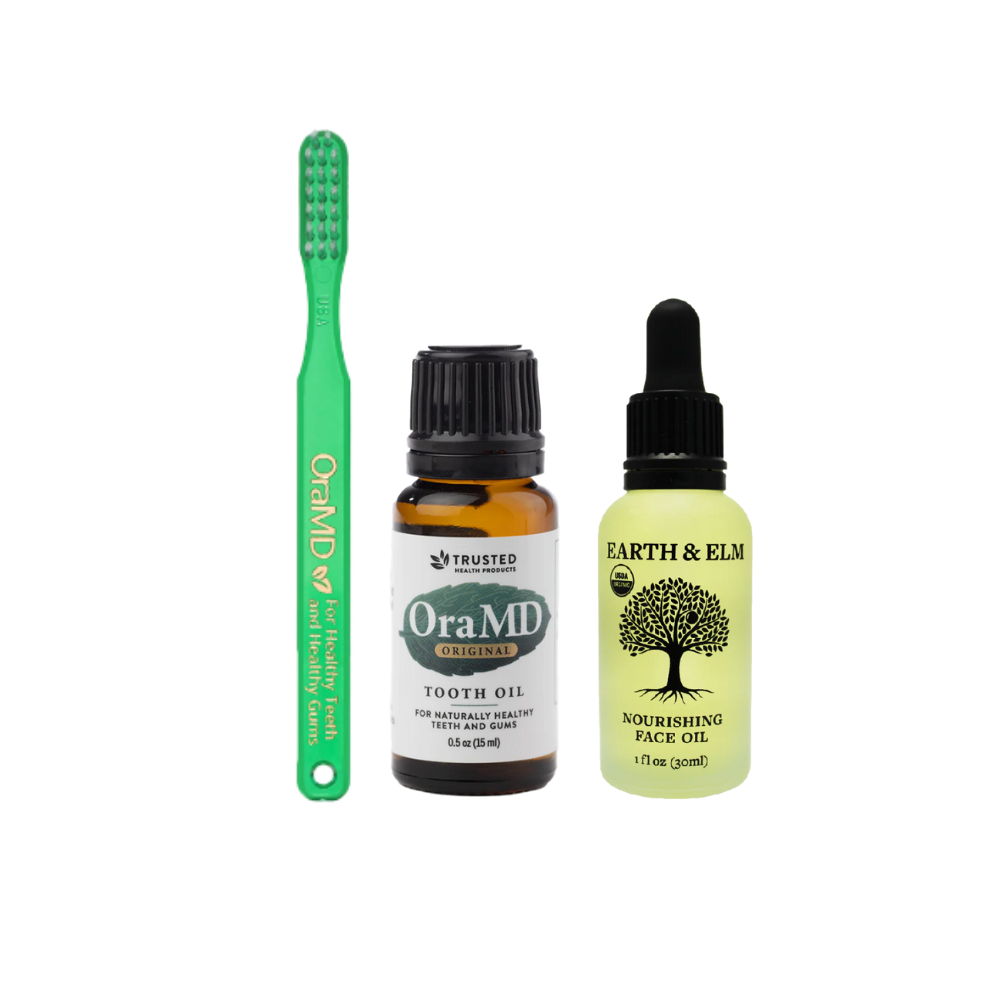
OraMD contains ingredients that are 100% all natural, and proven to be anti-bacterial, anti-microbial, and anti-fungal and can replace all of the chemical laden products you might normally use, including toothpaste, mouthwash, and even mints or gum.
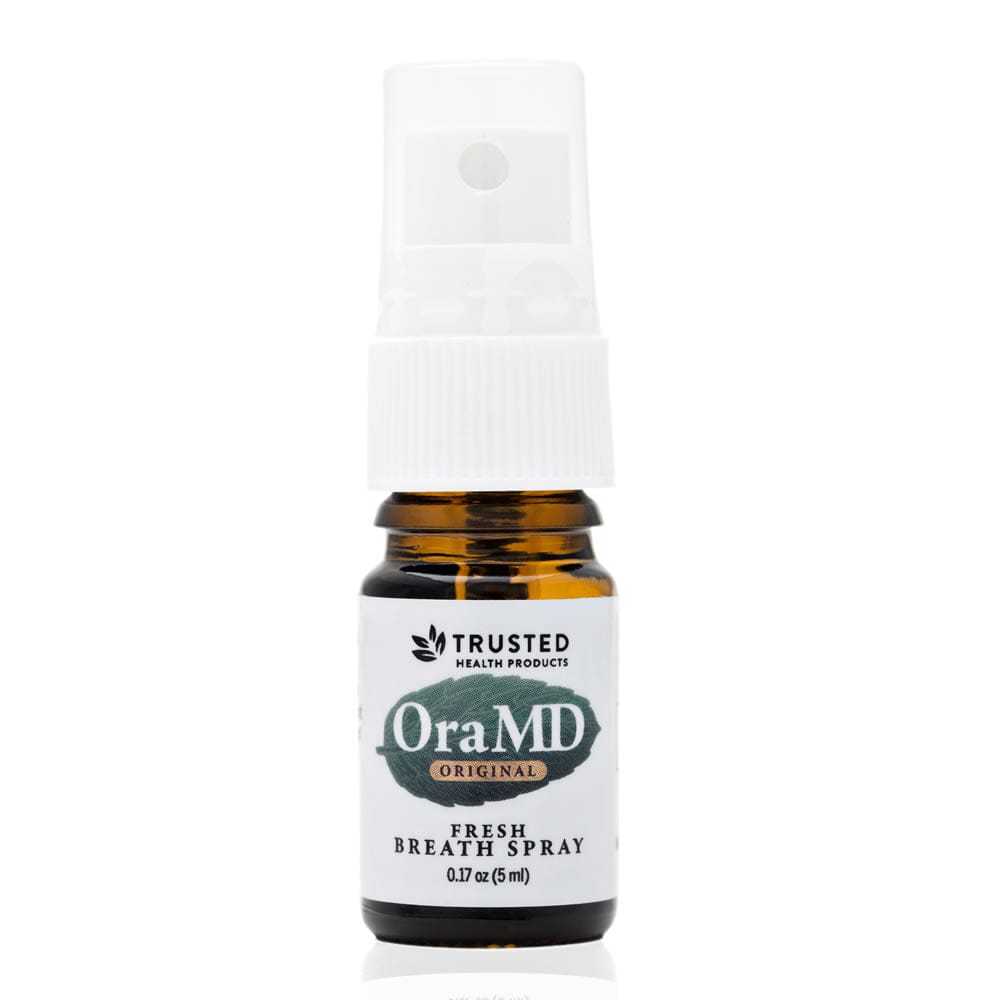
To use as toothpaste, put 2-5 drops of OraMD on your toothbrush and brush as normal. Flossing is an important part of good oral hygiene, as it removes food particles and plaque from the spaces between teeth that your brush will not reach. Some people prefer to use an oral irrigator in place of floss to clean between teeth with pressurized water. OraMD can be added to the water used for irrigation for an enhanced anti-bacterial effect, but it is important to remember that OraMD can sometimes damage cheaper plastic components. To avoid this, flush your irrigator immediately after use with medium-to-hot water for 20-30 seconds. OraMD can be used as a mouth rinse simply by diluting 2-5 drops in an ounce of water and gargling. You can also apply a few drops directly onto the tongue to coat the mouth and remove the cause of bad breath.

Tags: bacteria, brush, dental, floss, gargle, gingivitis, gum disease, hygiene, oral health, OraMD, periodontal disease
Posted in News Letters | 1 Comment »
Thursday, June 11th, 2009
A recent study performed at Case Western Reserve University in Cleveland, OH shows a link between gum/periodontal disease and rheumatoid arthritis. The study found that when arthritis sufferers treated their periodontal condtitions that their arthritis related symptoms diminished. This makes sense as both are inflammatory diseases, and further goes to show that improved oral health can lead to better overall health. With that being said, don't forget to stock up on OraMD for your oral health or Daily Effects for helping to ease those daily aches and pains.


Tags: almond, arthritis, Case Western Reserve University, Cleveland, gum disease, magnesium, Ohio, peppermint, periodontal disease, rheumatoid arthritis, spearmint
Posted in Natural Health News, Natural Health Products | 4 Comments »